Willa Vogel · 2 September 2026
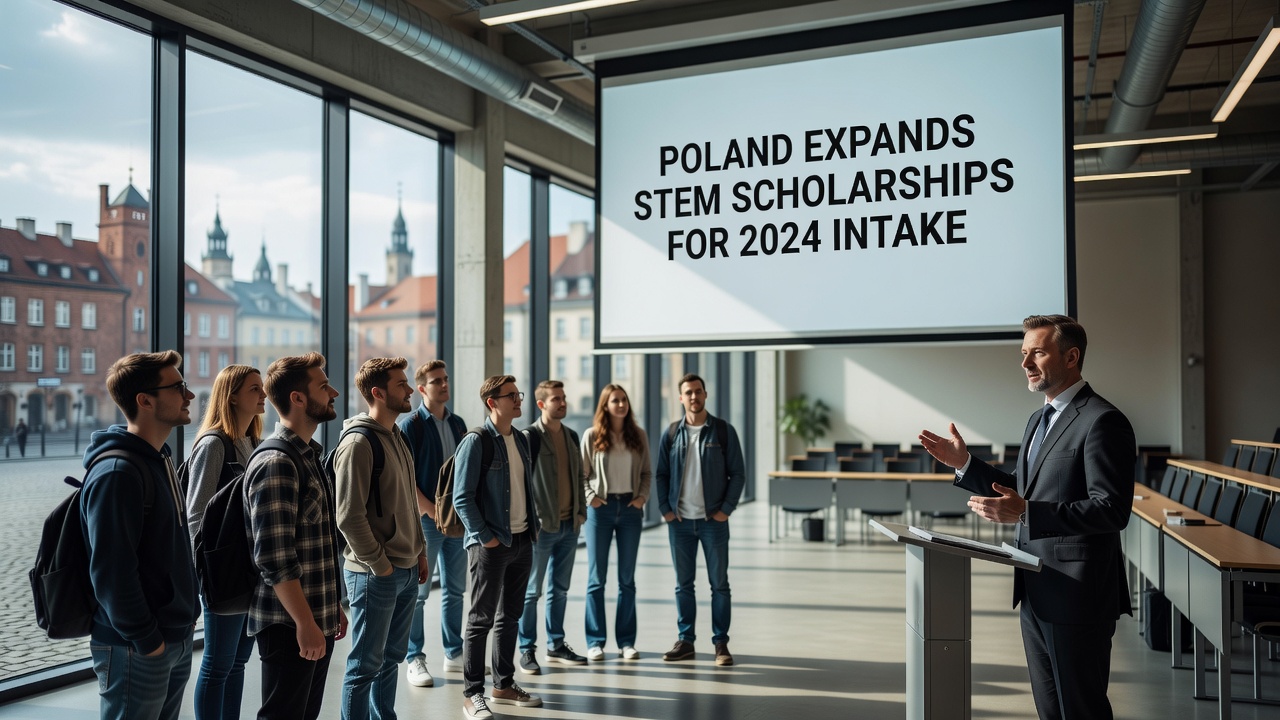
The Polish Ministry of Education has announced an expansion of STEM scholarships for the 2024 academic intake, aiming to bolster the country's technological workforce. This initiative targets undergraduate and graduate students in science, technology, engineering, and mathematics fields across public universities.
Details of the Expanded Program
Under the new program, the number of available scholarships has increased by 30 percent compared to the previous year. Each scholarship provides up to 25,000 PLN annually, covering tuition fees and living expenses. Priority is given to applicants from underrepresented regions and those pursuing advanced research in artificial intelligence and renewable energy. Applications open on March 1, 2024, and close on May 15. Selection criteria include academic performance, research proposals, and letters of recommendation. The government expects to award 2,500 scholarships this year, up from 1,900 in 2023. Additional criteria favor students demonstrating innovation in green technologies and digital infrastructure projects.
The initiative comes at a time when Poland is experiencing rapid growth in its technology sector. With companies like CD Projekt and expanding startups in Krakow and Wroclaw, the demand for qualified STEM professionals is high. Scholarships will help retain talent within the country rather than losing graduates to opportunities abroad. International students with Polish heritage are also eligible under certain conditions, fostering global collaboration.
Benefits for Polish Higher Education
This expansion aligns with Poland's national strategy to enhance innovation and competitiveness in the European Union. Universities across the country, including the University of Warsaw and AGH University of Science and Technology, are partnering to promote these opportunities. Experts note that such investments will help address the skills gap in the tech sector. Graduates are expected to contribute to Poland's growing IT industry and scientific research community. Additional support includes mentorship programs and internship placements with leading companies. The program is funded through a combination of national budget allocations and EU grants, ensuring sustainability through 2027. Monitoring and evaluation mechanisms have been put in place to assess the program's effectiveness. Annual reports will be published to track graduation rates and employment outcomes of recipients. Furthermore, the program includes provisions for women in STEM, aiming to increase female participation which currently stands at around 35 percent in these fields. Special workshops and networking events will be organized to support this goal.