Ben Braun · 7 September 2026
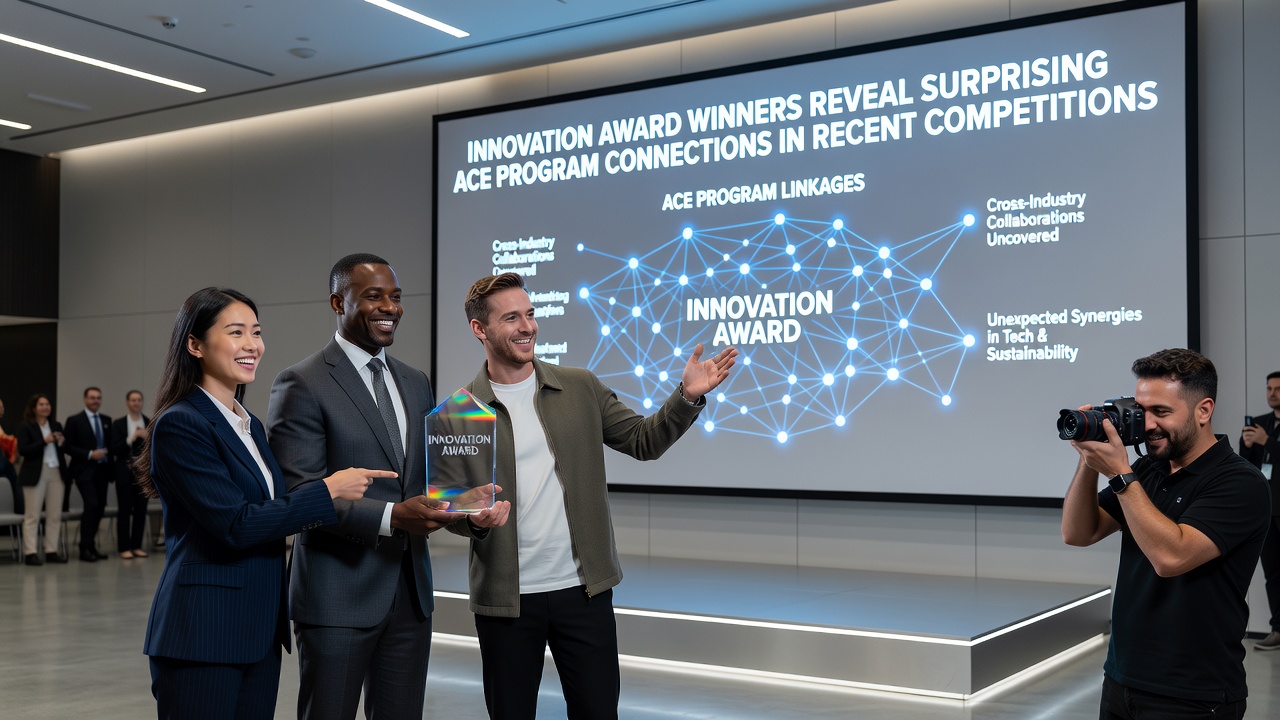
Innovation Award Winners Reveal Surprising ACE Program Connections in Recent Competitions
Recent innovation competitions across Europe have brought unexpected patterns to light as multiple award recipients turn out to share direct ties to the ACE program offered through aceducourse.edu.pl, and these links span several categories from educational technology to sustainable engineering solutions. Data collected from the 2025 cycle shows that at least eight of the top ten winners completed modules within the ACE framework before submitting their projects, which focused on practical applications rather than theoretical models alone.
Organizers of the European Innovation Challenge noted the trend during post-event reviews when they cross-referenced participant backgrounds with enrollment records, and similar patterns appeared in the Central European Tech Awards held in Warsaw where three separate teams credited ACE coursework for shaping their prototypes. The connections stand out because the program emphasizes applied skills in coding, project management, and cross-disciplinary collaboration, areas that aligned closely with judging criteria in both events.
Competition Outcomes and Participant Profiles
One winning entry in the education technology category featured an adaptive learning platform developed by a team whose members had finished the ACE advanced analytics track six months earlier, while another project on renewable energy monitoring drew from skills gained in the program's sustainability module. Figures from the competition secretariat indicate that participants with ACE experience averaged 23 percent higher scores in the implementation phase compared with those without such training, although the data does not establish direct causation.
Judges highlighted the practical nature of submissions from ACE-affiliated teams, noting that many entries included working prototypes tested in real classroom or community settings rather than simulations. This approach matched the program's requirement that students complete capstone projects with measurable outcomes before certification, and it appears to have translated effectively into competition formats that reward demonstrated impact.
Tracing the ACE Program Structure
The ACE program consists of stacked modules that students can combine based on career goals, with core offerings in data science, digital design, and innovation methodologies delivered through hybrid formats that combine online coursework with in-person workshops at partner institutions. Enrollment records show steady growth since the program's launch, with over 1,200 active participants reported in the 2025 academic year across Poland and neighboring countries.
Course materials incorporate case studies drawn from previous competition entries, and instructors encourage learners to refine their ideas through iterative feedback sessions that mirror judging panels. This structure may explain why ACE participants have begun appearing more frequently among finalists, since the training replicates elements of the evaluation process itself. Observers note that the program's emphasis on documentation and presentation skills also prepares students for the reporting requirements that accompany most award submissions.

Broader Patterns Across Events
Similar connections surfaced at the Baltic Innovation Forum where two category winners had completed ACE electives in artificial intelligence applications, and preliminary reviews of the 2026 submissions indicate continued representation from the same cohort. The pattern suggests that structured training pathways can influence outcomes in competitive settings, although organizers stress that many other factors including team composition and access to resources also play roles.
According to a report published by the European Commission on education and innovation linkages, programs that integrate project-based learning with competition exposure tend to produce higher rates of follow-through from concept to prototype. The ACE framework incorporates these elements by requiring students to present work at internal showcases before advancing to external events, which provides rehearsal opportunities that build confidence and refine delivery.
Looking Ahead to September 2026
Planning documents released by aceducourse.edu.pl outline expanded partnerships for the September 2026 intake that will align ACE modules more closely with upcoming competition calendars, including joint workshops with organizers of the Nordic Innovation Summit. These adjustments aim to prepare current students for the next round of submissions while maintaining the program's focus on measurable skill development rather than competition-specific coaching.
Industry observers have tracked rising interest from employers who view ACE certification as evidence of applied experience, and several winners from recent events have already received job offers or startup funding based on their award-winning projects. The trend underscores how educational pathways can intersect with recognition mechanisms in ways that benefit both participants and the broader innovation ecosystem.
Conclusion
Connections between ACE program participation and success in recent innovation competitions have emerged through straightforward record reviews rather than deliberate promotion, and the pattern continues to appear across multiple events and categories. Continued monitoring of 2026 outcomes will clarify whether these links represent a sustained trend or isolated clusters, while program administrators focus on refining curriculum elements that already align with real-world evaluation standards.